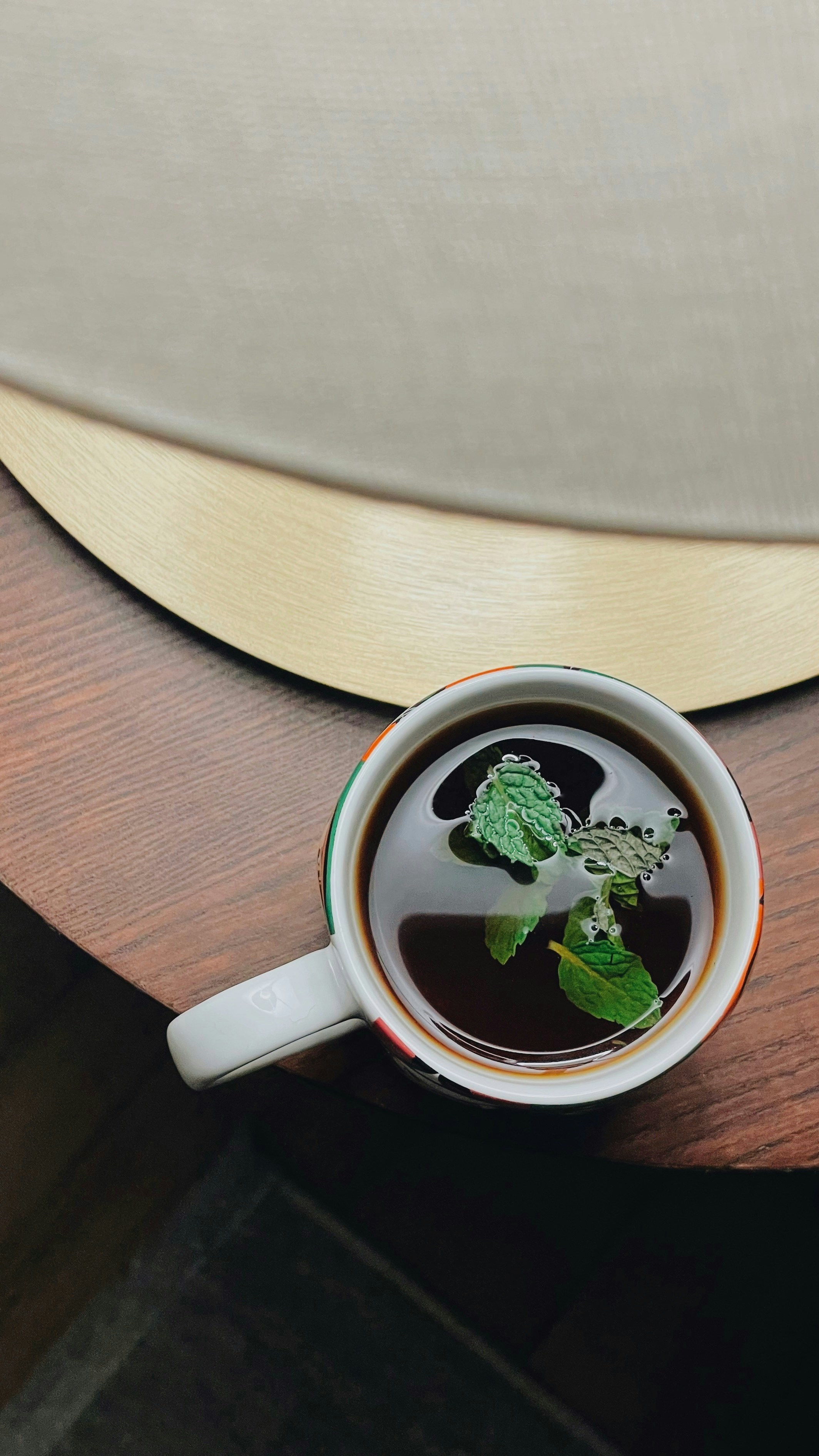
Introduction to Moroccan Tea Culture
Moroccan tea, often referred to as ‘Moroccan Mint Tea,’ is more than just a beverage; it is a symbol of hospitality and cultural identity in Morocco. The preparation and consumption of this aromatic drink is deeply ingrained in Moroccan society and reflects its rich history and traditions. At the heart of Moroccan tea culture lies the use of green tea, typically Chinese gunpowder, combined with fresh mint leaves and a generous amount of sugar, creating a refreshing and invigorating flavor.
The ritual of brewing Moroccan Mint Tea involves a meticulous process that is both an art and a celebration. Traditionally, tea is prepared in a special teapot called a ‘bera,’ and the entire process is a public affair, often accompanied by lively conversations. This communal aspect plays a significant role in Moroccan culture, as tea is served during social gatherings and is an integral part of hospitality. Guests are treated to multiple servings of tea, which symbolizes respect and warmth, enhancing interpersonal relationships.
Historically, tea was introduced to Morocco in the 18th century, and its popularity soared over the years, becoming a staple in Moroccan households. The beverage serves as a means of connection among family and friends, often enjoyed during significant events and daily rituals alike. With the infusion of fresh mint, Moroccan Mint Tea embodies the region’s natural bounty and is often enjoyed while admiring the picturesque surroundings. Overall, the culture of tea drinking in Morocco goes beyond the mere act of quenching thirst; it is an experience that fosters community and reflects the country’s rich heritage.
Dahmiss Tea: A Unique Choice for Moroccan Tea
Dahmiss tea, often referred to as one of the premier choices for preparing traditional Moroccan mint tea, showcases a unique blend of flavors that elevate this iconic beverage. Originally cultivated in the mountainous regions of Morocco, Dahmiss boasts a rich history steeped in cultural significance. This tea variety is distinguished by its delicate foliage and vibrant green color, which is a testament to its high quality and freshness.
The flavor profile of Dahmiss tea is delightful, characterized by a mild, yet aromatic essence that perfectly complements the vibrant taste of fresh mint leaves. Its smooth and slightly sweet notes render it an excellent foundation for the preparation of Moroccan mint tea, allowing the mint to shine without overpowering the sensory experience. The tea imparts a soothing warmth, making it a cherished feature during social gatherings and family celebrations.
Dahmiss tea’s unique qualities stem not just from its flavor, but also from its health benefits. As a rich source of antioxidants, it contributes positively to overall well-being, making it a favorite for those seeking a healthier beverage option. When combined with fresh mint and sugar, Dahmiss tea creates a harmonious blend that embodies the essence of Moroccan hospitality, traditionally served in ornate teapots and enjoyed in small glasses.
The importance of choosing the right tea for Moroccan mint tea cannot be overstated, and Dahmiss stands out as a clear choice among various options. Its compatibility with mint and ability to retain its distinct flavors under different brewing conditions make it a versatile ingredient. By selecting Dahmiss tea, one ensures an authentic Moroccan tea experience, characterized by its rich flavors and cultural heritage.
Key Ingredients for a Perfect Moroccan Tea
To brew an authentic Moroccan tea with mint, selecting the right ingredients is paramount. The cornerstone of this traditional beverage is Dahmiss tea, known for its robust flavor and aromatic profile. This specific type of green tea is characterized by its notable freshness and smoothness, often preferred over other varieties due to its unique taste that complements the other elements of this drink. When using Dahmiss tea, one can expect a delightful balance of bitterness and sweetness, which provides an excellent base for the infusion.
Fresh mint leaves play a crucial role in creating the signature flavor of Moroccan tea. The vibrant aroma and refreshing taste of mint elevate the beverage, imparting a coolness that is particularly enjoyable. For the best results, it is advisable to use high-quality, fresh mint, as dried mint may not provide the same depth of flavor. The mint should be gently bruised before adding it to the tea, allowing its essential oils to release and integrate more thoroughly with the brewed tea.
In addition to the primary ingredients, sugar is often included to enhance the overall flavor profile of Moroccan tea. While not obligatory, sugar can help balance the bitterness of Dahmiss tea, creating a pleasant sweetness that harmonizes with the mint. The amount of sugar used can be adjusted according to personal preference, allowing for versatility in the final taste.
Lastly, water is a fundamental component that should not be overlooked. Using clean, filtered water can make a significant difference in the quality of the brew. The water should be heated to the right temperature, ideally near boiling point, to ensure the tea is steeped adequately and releases its flavorful compounds effectively. Each of these ingredients contributes to the harmonious experience that is Moroccan tea with mint, making them essential for achieving the perfect brew.
Step-by-Step Guide: Brewing Moroccan Tea with Dahmiss Tea
Brewing Moroccan tea with Dahmiss Tea is an art that combines tradition and a unique flavor profile. This guide will walk you through the essential steps necessary to create a delightful cup of Moroccan mint tea that can be enjoyed any time of day.
Begin by gathering your ingredients: you will need high-quality green tea, typically gunpowder tea, fresh mint leaves, and sugar to taste. Additionally, bring a kettle or pot for boiling water. It is crucial to use pure, filtered water to enhance the flavor of your beverage.
Start the process by boiling about a liter of water in your kettle. The temperature should be just below boiling point, approximately 85°C to 90°C (185°F to 194°F), to avoid scalding the tea leaves. Once the water reaches the desired temperature, measure two to three teaspoons of Dahmiss Tea and add the tea to your pot or teapot.
Pour half of the boiled water over the tea leaves and allow them to steep for about five minutes. It is important to let the tea steep adequately to extract all its rich flavors. After steeping, the next step is to add sugar, typically around four to five teaspoons, depending on your preference for sweetness.
Subsequently, add a generous handful of fresh mint leaves to the mixture. Moroccan mint tea is known for its refreshing mint aroma, so feel free to adjust the quantity as desired. After adding the mint, gently stir the mixture, ensuring the flavors combine harmoniously.
For the final touch, perform the traditional pouring technique about 20-30 cm above the glass, which froths the tea and further infuses the mint flavor. Pour the tea back into the pot and repeat this process two to three times before serving it in small glasses. Enjoy your Moroccan tea with Dahmiss Tea, a perfect blend of sweetness and minty freshness.
The Role of Mint in Moroccan Tea
Mint plays a pivotal role in the traditional Moroccan tea culture, elevating both the flavor and aroma of the beverage. Commonly known as “atai,” Moroccan tea is often prepared with green tea and fresh mint leaves, creating a refreshing drink that is served on various occasions. The vibrant infusion of mint lends a unique herbal quality that complements the subtle bitterness of green tea, producing a harmonious blend that is quintessentially Moroccan.
In addition to enhancing flavor, mint serves a crucial function in offering a sense of freshness to the drink. The invigorating scent of mint leaves wafting through the air while tea is being brewed sets the stage for an enjoyable tasting experience. This aromatic quality contributes to the social aspect of tea drinking in Morocco, often providing a sense of warmth and hospitality during gatherings.
Beyond the sensory pleasures of taste and aroma, mint is loaded with health benefits. Its natural properties promote pleasant digestion and help alleviate common digestive discomforts. The consumption of mint tea can aid in reducing bloating, gas, and other digestive irregularities, making it a popular choice for those seeking relief from these ailments. Moreover, mint is known for its potential for reducing headaches and providing a calming effect on the mind, further enhancing the tea-drinking ritual.
In the context of Moroccan tea, mint is not merely an ingredient; it embodies cultural practices and social connections that foster community bonding. The inclusion of fresh mint leaves in tea preparations signifies generosity and hospitality, making it an essential component of the Moroccan tea experience. By understanding the role of mint in Moroccan tea, one can appreciate the profound significance it holds in enhancing both flavor and well-being.
Variations of Moroccan Tea with Dahmiss Tea
Moroccan tea, particularly when brewed with Dahmiss tea, offers a delightful foundation for various creative adaptations. While the classic preparation involves green tea and fresh mint, the versatility of Dahmiss tea allows for attractive customization options, enhancing both flavor and presentation.
One popular variation includes the incorporation of aromatic herbs and spices. Adding traditional spices such as cinnamon, cardamom, or ginger can create a warm, spicy profile. For a more floral touch, consider introducing dried rose petals or saffron threads, which not only elevate the taste but also add a pleasing visual element. Each of these additions can be adjusted according to personal preference, enabling a unique tea experience with each brew.
Another enticing option is to experiment with fruit infusions. Fresh citrus such as lemons or oranges can invigorate the tea, while choices like pomegranate or berries can introduce an exciting sweetness. To create a refreshing iced Moroccan tea, brew the Dahmiss tea with your selected flavors, allow it to cool, then serve over ice. Adding slices of fruit or sprigs of mint as garnish can provide an elegant touch and enhance the visual appeal.
Moreover, serving Moroccan tea alongside traditional pastries can enhance the overall tasting experience. Pastries such as baklava, almond briouats, or honey-dipped msemen create a harmonious balance of flavors and textures. When paired thoughtfully, they complement the tea’s minty freshness exceptionally well.
Ultimately, the possibilities for variations of Moroccan tea with Dahmiss tea are nearly limitless. Whether exploring herbal, spicy, or fruity variations, every customization serves to enrich the rich cultural tradition surrounding Moroccan tea drinking. These approaches will not only retain authenticity but also allow for personal expression, ensuring that each cup brewed is uniquely satisfying.
Serving Moroccan Tea: The Perfect Presentation
Moroccan tea, traditionally known as “thé à la menthe,” is not merely a beverage; it embodies a rich cultural practice that reflects the values of hospitality and social engagement in Moroccan society. The presentation and serving of Moroccan tea are essential elements, showcasing the artistry and elegance associated with this beloved ritual. Using high-quality tea such as Dahmiss Tea enhances the experience, further underlining the significance of the occasion.
When serving Moroccan tea, the choice of serving ware plays a pivotal role. Ornate teapots, often crafted from silver or decorated with intricate designs, are typically used to brew and serve the tea. These teapots not only add a touch of luxury but also signify respect towards the guests being entertained. The tea is poured from a height into delicate glasses, allowing the mixture of green tea, fresh mint leaves, and sugar to aerate, which enhances the fragrance and flavor. The act of pouring from a distance is an integral part of the experience, visually captivating guests while also allowing for a perfect infusion.
The etiquette surrounding tea service is paramount in Moroccan culture. Guests should be greeted warmly, and the offering of tea should occur in a setting that promotes conversation and connection. It is customary to serve the tea three times, with each serving representing a different taste or level of sweetness. The first round is often considered the strongest, while the subsequent rounds become progressively lighter. This practice not only showcases the variety within Moroccan tea but also symbolizes the joy of sharing and creating community bonds.
Overall, serving Moroccan tea is an artful ceremony that combines aesthetic beauty with deep-rooted traditions. By utilizing exquisite teapots and adhering to customs, hosts elevate their gatherings, ensuring that every guest feels valued and included. An engaging tea serving experience fosters warmth and camaraderie, making it an unforgettable aspect of Moroccan hospitality.
Pairing Moroccan Tea with Food
Moroccan tea, especially when brewed with Dahmiss tea, offers a unique and vibrant flavor profile that can be artfully paired with a variety of foods. The sweet and minty notes of this traditional beverage elevate the dining experience, making it essential to choose complementary dishes that resonate with these flavors. The harmonious blend of freshness and sweetness in Dahmiss tea enhances Moroccan culinary traditions, inviting a diverse array of food pairings.
One of the quintessential pairings is with Moroccan pastries, particularly baklava and cornes de gazelle. These pastries feature honey and almond, which align perfectly with the sweetness of the tea. The flaky texture of the baklava contrasts beautifully with the smoothness of the Dahmiss tea, making for a delightful tasting experience. Another popular accompaniment is the traditional Moroccan msemen, a layered flatbread that can either be sweetened with honey or enjoyed with savory fillings, further enriching the tea’s refreshing qualities.
Moreover, savory dishes such as tagines can also harmonize with Moroccan tea. The aromatic spices in chicken or lamb tagines work well with the cooling effect of mint, thereby marrying the flavors and enhancing one’s palate. For guests seeking a lighter option, grilled vegetables seasoned with herbs present a pleasant counterpart to the tea’s minty essence. Finally, for those looking for snack options, spiced nuts or olives provide a salty contrast, creating a balanced flavor profile when combined with the sweetness of Dahmiss tea.
In essence, the right food pairings not only complement but also enhance the overall experience of enjoying Moroccan tea. By thoughtfully selecting traditional dishes and snacks, hosts can elevate their gatherings, ensuring that the sweet, minty flavor of Dahmiss tea leaves a memorable impression on guests.
Conclusion: Enjoying Moroccan Tea Rituals at Home
As we have explored throughout this article, the art of brewing Moroccan tea with mint is not merely a culinary endeavor but also an enriching cultural experience. The fragrant Dahmiss tea, combined with fresh mint, offers a unique flavor profile that enhances both the taste and the ritual surrounding tea preparation. This centuries-old tradition allows individuals to connect with family and friends and fosters a sense of togetherness.
The meticulous brewing process of Moroccan tea emphasizes respect for the ingredients and the importance of communal sharing. Each stage of preparation—from boiling water to adding sugar and mint—aligns with the principles of hospitality ingrained in Moroccan culture. As we learned, the act of pouring the tea from a height creates aeration, which is crucial for achieving the desired flavor and texture. This is an essential step that highlights the artistry involved in making each serving special.
By incorporating these practices into your own home, you can transform a simple beverage into an engaging ritual. It is an opportunity to not only enjoy the delightful taste of Dahmiss tea but also to recreate a cultural experience that invites participation and connection. Consider gathering your friends and family for a tea-drinking session, where everyone can partake in the brewing process and enjoy the aromatic results together. Beyond the physical aspects of brewing, the shared experience itself can forge deeper bonds among participants.
In summary, embracing the Moroccan tea ritual at home offers a fantastic way to appreciate tradition while enjoying the vibrant flavors of Dahmiss tea. Whether you are a seasoned tea enthusiast or newly introduced to this ritual, the joy and warmth of sharing Moroccan mint tea will leave a lasting impression, making it a habit worth cultivating.