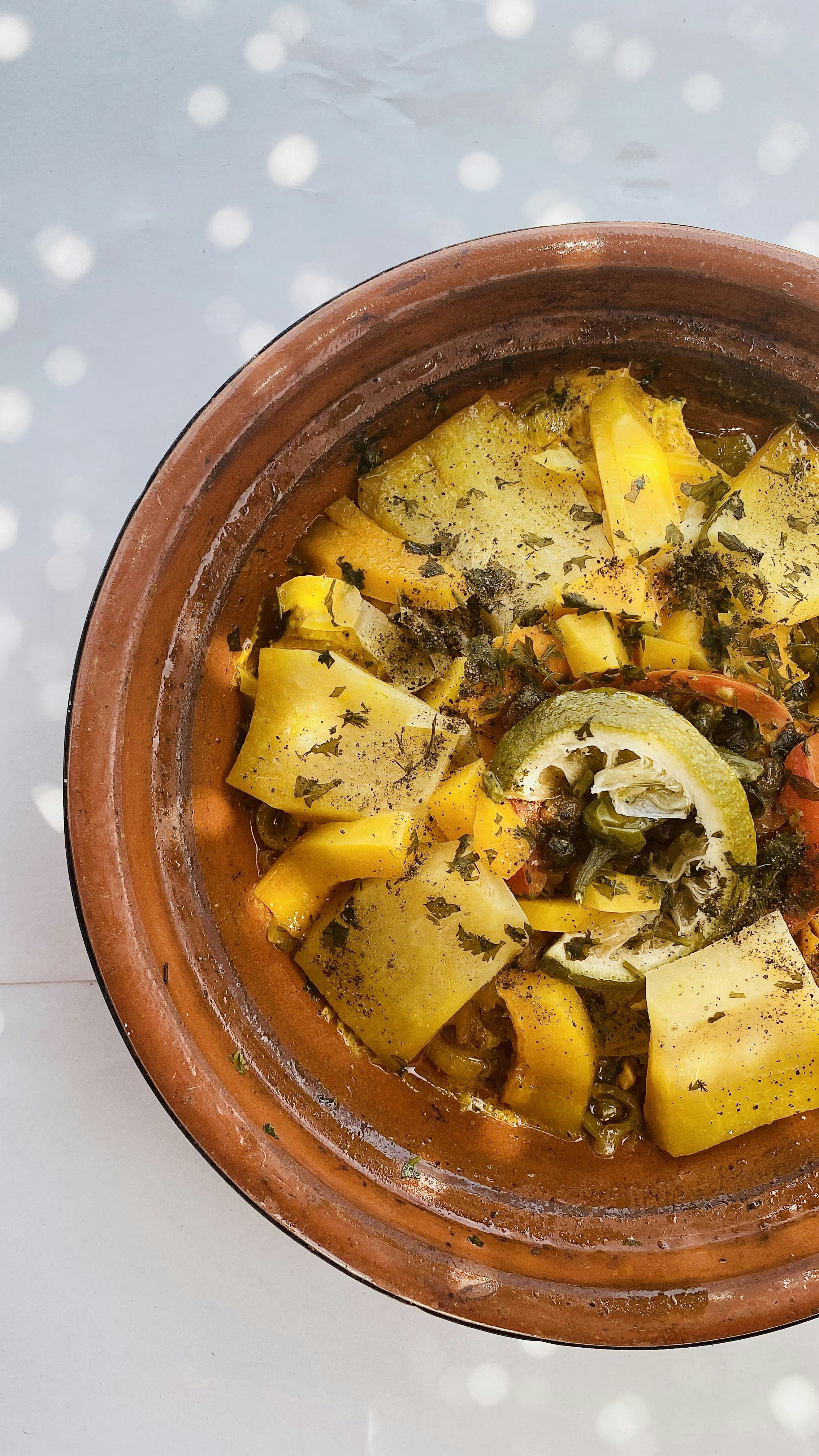
Introduction to Ramadan and Moroccan Cuisine
Ramadan holds significant importance in Moroccan culture, reflecting not only a month of spiritual reflection and prayer but also a time for family and community gatherings. This holy month is observed by millions of Muslims around the world and is marked by fasting from dawn until sunset. In Morocco, the spirit of Ramadan is deeply intertwined with the nation’s rich traditions and values, underscoring the importance of sharing, generosity, and compassion.
During Ramadan, Moroccans partake in the communal practice of breaking the fast with the evening meal known as Iftar. This meal is often a joyous occasion that brings together families and friends to share a variety of dishes, reminding everyone of the importance of unity and companionship. The act of gathering around the table to enjoy food is cherished, as it serves to reinforce family bonds and foster a sense of belonging within the community.
Moroccan cuisine, renowned for its bold flavors and aromatic spices, plays a crucial role in the Ramadan celebrations. The dishes prepared during this period not only satisfy hunger after a day of fasting but also serve as a means of expressing love and hospitality. Traditional foods, such as dates, soups, and tagines, are commonly featured on the Iftar table, reflecting the country’s culinary heritage. Each dish carries its own significance and often has cultural stories attached to it, enhancing the overall experience of the meal.
As we explore the diverse array of Moroccan dishes typical during Ramadan, we will delve further into how this cuisine not only nourishes the body but also nurtures the soul, embodying the essence of this sacred month. The coming sections will spotlight some of these beloved culinary traditions that thrive during Ramadan, celebrating the rich tapestry of Moroccan culture.
Classic Moroccan Dishes to Break the Fast
During Ramadan, the transition from fasting to feasting is marked by the cherished meal known as Iftar. In Morocco, this meal is not just about nourishment but also a celebration of culture and tradition, with classic Moroccan dishes taking center stage. Among these, Harira soup stands out as a symbolic dish served at the beginning of Iftar. This hearty soup is made from a base of tomatoes, lentils, chickpeas, and a unique blend of spices, often flavored with fresh herbs. Harira is deeply rooted in Moroccan tradition, serving as a reminder of the country’s rich culinary heritage.
In addition to Harira, dates are an essential component of the Iftar meal, representing both health and hospitality. Traditionally, it is common to break the fast with three dates and a glass of milk, embodying the sunnah of the Prophet Muhammad. This simple gesture not only nourishes the body after a day of fasting but also brings families together in the spirit of sharing and gratitude.
Sweets also play a crucial role in breaking the fast, with Chebakia being one of the most beloved Moroccan desserts during Ramadan. These intricate, honey-soaked pastries are made with a dough flavored with sesame and orange blossom water, shaped into beautiful patterns, and then deep-fried to achieve a delicate crunch. Many families have their own unique recipes for Chebakia, passed down through generations, often made as part of social gatherings during the holy month.
Ultimately, the classic Moroccan dishes serve not only to satisfy hunger but also to create a sense of community and continuity, representing familial love and shared culinary experiences across Morocco. Each bite of these dishes carries with it stories and traditions, making Iftar a truly memorable occasion for Moroccan families.
Popular Moroccan Sweets and Desserts for Ramadan
Morocco is renowned for its vibrant cuisine, and the sweet delights that accompany the month of Ramadan are particularly noteworthy. During this holy month, Moroccan families prepare a variety of exquisite desserts that are integral to the Iftar meal, serving to both satisfy the sweet tooth and provide nourishment after a day of fasting. Prominent among these treats are Baklava, Sellou, and Kaab el Ghazal, each of which has its unique ingredients and cultural significance.
Baklava, a widely appreciated dessert in many cultures, is cherished in Morocco as well. This layered pastry is made with thin sheets of dough known as phyllo, interspersed with a rich filling of finely chopped nuts, typically almonds or walnuts, and sweetened with honey or syrup. The final touch involves a generous sprinkling of cinnamon, which enhances its aroma and flavor. Baklava is often served in diamond-shaped pieces, making it a visually appealing addition to any festive gathering.
Another traditional Moroccan sweet is Sellou, a dish that epitomizes the spirit of generosity and hospitality. Composed of roasted flour, nuts, and spices, Sellou is often flavored with anise and sesame. This nutrient-rich dessert is particularly noteworthy as it helps replenish energy levels after fasting. It holds a special place during Ramadan, symbolizing community and the sharing of blessings among friends and family.
Kaab el Ghazal is yet another alluring Moroccan confection, often referred to as gazelle horns due to its crescent shape. Made from almond paste combined with orange blossom water, these delicate pastries are wrapped in a thin dough before being baked to a golden perfection. Notably, they are often enjoyed with a glass of mint tea, which is a quintessential Moroccan tradition.
The significance of these sweets during Ramadan transcends mere indulgence; they reflect the cultural heritage and festive atmosphere of the season. Sweets play a crucial role in concluding the Iftar meal, providing joy and a sense of celebration among families as they come together to share their meals. This culinary tradition not only satisfies the palate but also reinforces community bonds, making it an essential aspect of the Moroccan Ramadan experience.
Celebrating Together: Family and Community in Moroccan Ramadan
The holy month of Ramadan in Morocco is a profound occasion that transcends individual religious observance, fostering a strong sense of community and family unity. This period is characterized by vibrant community gatherings, which play a vital role in reinforcing social bonds among friends, neighbors, and extended family. Central to the Ramadan experience in Morocco is the tradition of sharing meals, especially during the Iftar, the evening meal that breaks the fast after sunset.
During Ramadan, it is customary for families to come together to prepare and enjoy traditional dishes, such as harira and dates, symbolizing both nourishment and communal harmony. The act of breaking the fast together speaks to the power of shared experiences, where everyone—regardless of age or status—sits down as equals at the same table. Many Moroccans eagerly attend community Iftars, organized by mosques or local organizations, which embody the spirit of solidarity by welcoming everyone, including those from different backgrounds.
Hospitality is a cornerstone of Moroccan culture, and during Ramadan, this principle is especially evident. The tradition of inviting neighbors or even strangers to join in and share meals reflects the deep-rooted values of generosity and kindness inherent in Moroccan society. This not only enriches the celebratory atmosphere but also promotes social cohesion, ensuring that no one feels isolated during this sacred time. Food serves as a medium for connection, as families exchange dishes and recipes, further intertwining their culinary traditions.
The communal celebrations during Ramadan ultimately create a vibrant tapestry of togetherness, emphasizing the importance of family and community in Moroccan life. As individuals fast together and partake in feasts, they cultivate feelings of belonging, reinforcing relationships that extend beyond the month of Ramadan. It is through these shared culinary experiences that the essence of Moroccan hospitality truly shines, enabling unity and compassion within the wider community.